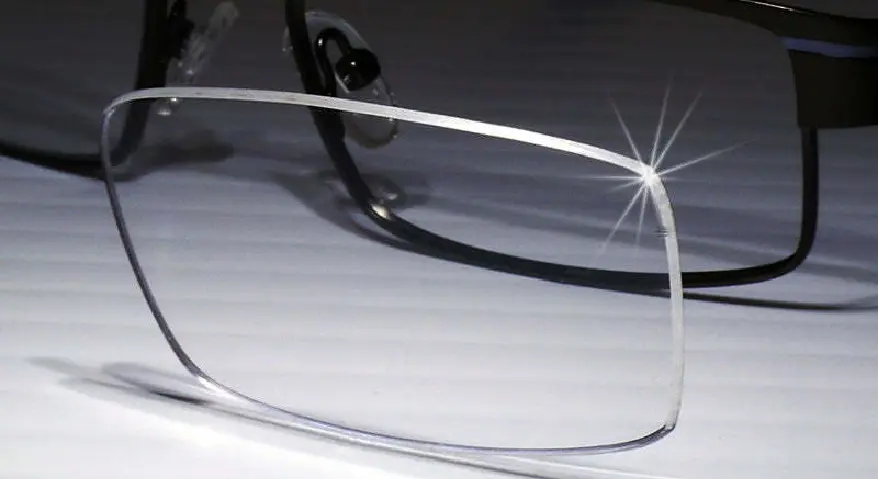
Single-vision lenses are prescription lenses with a single power, specifically designed to correct vision at a single distance—such as for distance or near vision. Because the power is uniform across the entire lens, they are primarily used to correct a single refractive error, such as myopia, hyperopia, or astigmatism.
In contrast, multifocal lenses (such as progressive and bifocal lenses) integrate multiple visual zones within a single lens, simultaneously meeting visual needs at different distances. They are suitable for people with presbyopia or those who frequently change viewing distances.
This guide will comprehensively analyze the core characteristics of single-vision prescription lenses, including their target audience, differences from multifocal lenses, common design types, and price factors, helping you make a more informed choice based on your vision needs.
Who is suitable to wear single-vision lenses?
Single-vision lenses correct a single vision problem and are currently the most common and widely used type of lens. They are typically used to correct a single refractive error such as myopia, hyperopia, or astigmatism.
While people over 40 often have presbyopia requiring multi-distance vision and tend to choose progressive glasses or other multifocal glasses, age is not the only determining factor. Some wearers under 40 may also need multifocal glasses due to multiple vision problems. For these individuals, they can choose to wear one pair of multifocal lenses based on their lifestyle habits, or prepare two or more pairs of single-vision glasses to meet their different vision needs at different distances.
Common vision problems that single-vision lenses can correct
Single-vision lenses can effectively correct most common refractive errors, including:
Myopia
Myopic individuals can see near objects clearly, but distant objects are blurry. For example, they can read a book clearly but have difficulty recognizing distant signs. This type of condition can be well corrected with single-vision myopia lenses.
Hyperopia
People with hyperopia typically have poor near vision, experiencing blurred or tiring reading. High degrees of hyperopia can also affect distance vision. Single-vision hyperopia lenses can help improve these visual difficulties.
Presbyopia
Presbyopia is a natural age-related vision decline, usually becoming more pronounced after age 40. It manifests as the need to constantly move the reading distance further back to see the text clearly. Traditional reading glasses are single-vision lenses, specifically designed to correct near vision; however, a professional eye exam is still recommended for the most accurate prescription.
Astigmatism
Astigmatism is caused by irregularities in the shape of the cornea or lens, resulting in blurred vision at any distance. Astigmatism often coexists with myopia or hyperopia, and single-vision lenses can effectively correct it using a cylinder power (CYL).
The Core Difference Between Single-Vision Lenses and Other Lens Types
Eyeglass lenses come in various designs, but the most distinctive feature of single-vision lenses is that they use only one power to correct vision at a single distance. In contrast, multifocal lenses integrate multiple powers within the same lens, meeting visual needs at various distances.
Single-Vision Lenses vs. Progressive Lenses
From the outside, progressive lenses are very similar to single-vision lenses, but their internal structures are completely different.
Progressive lenses employ a continuous power transition from far to near vision, smoothly integrating multiple visual zones within a single lens. This allows wearers to naturally switch focus between far, intermediate, and near distances without frequently removing or switching glasses.
Advantages of progressive lenses include:
- No visible dividing lines, resulting in a more aesthetically pleasing appearance;
- Natural visual transition, suitable for various everyday scenarios;
- Simultaneously addressing the needs of distance vision, reading vision, and intermediate distance vision (such as computer work).
Unlike traditional bifocal or trifocal lenses, progressive lenses replace the segmented structure with a "gradient design," resulting in a more comfortable and continuous visual experience.
Single-vision lenses vs. bifocal and trifocal lenses
Bifocal and trifocal lenses are both multifocal lenses, but their design is more traditional:
- Bifocal lenses: Contain two different prescriptions, typically used for correcting near and distance vision.
- Trifocal lenses: Add a third visual zone for intermediate distances to the bifocal lens, meeting more needs in various scenarios.
The most significant characteristic of these two types of lenses is: A clear dividing line exists between the visual zones.
This line separates the different prescription areas, allowing the wearer to quickly switch focus, but it is more noticeable visually, and the visual transition is not as natural as with progressive lenses
How much do single-vision glasses cost?
Generally speaking, single-vision glasses are usually cheaper than multifocal glasses (such as progressive lenses) because they are simpler in design and less difficult to manufacture. However, the final cost of single-vision glasses is not fixed and is affected by several factors, including:
- Prescription range: High myopia, hyperopia, or astigmatism usually require lenses with higher refractive indices, increasing the price accordingly.
- Lens material: There is a significant cost difference between basic resin lenses and high-refractive-index lenses.
- Functional coatings: Blue light blocking, anti-reflective coatings, UV protection, and scratch-resistant coatings all affect the price.
- Additional lens options: Features such as photochromic lenses and polarized lenses also increase the cost.
- Frame selection: The frame material, brand, and design further affect the total price of the glasses.
It's important to note that if you need single-vision glasses for different purposes (such as reading, computer work, driving, etc.), the cumulative cost of purchasing multiple pairs of glasses may exceed the price of a single pair of multifocal glasses. Therefore, choosing the most economical lens depends on your specific visual needs and lifestyle.
Generally speaking, single-vision lenses are more suitable for people who only need to correct a single vision problem. The choice of which type of glasses to use depends primarily on individual vision conditions, daily eye habits, and wearing preferences. It is recommended that you have an eye exam to determine which type of lenses is best for you.


