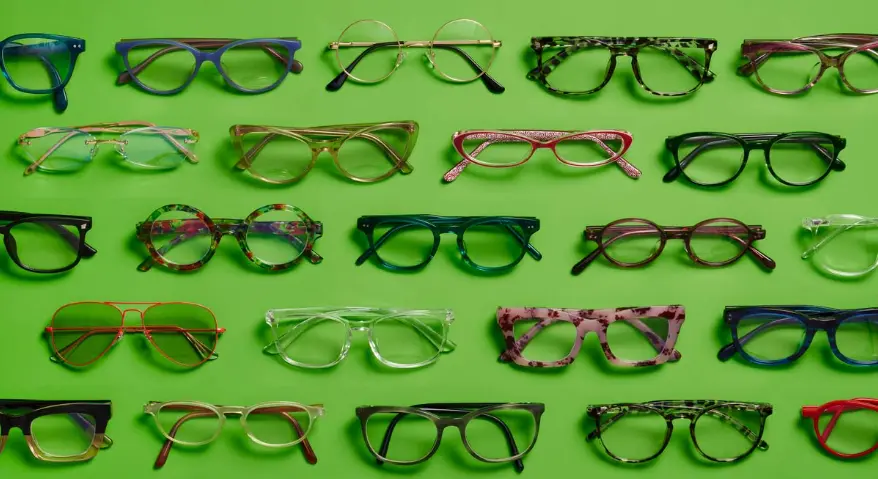
Vision loss can be caused by a variety of factors, including genetics, health conditions, lifestyle habits, and the natural aging process. While a gradual decline in visual function with aging is a natural phenomenon, a noticeable or sudden deterioration in vision can also indicate an underlying eye condition or systemic health issue. Whether it's a short-term blip or a persistent vision loss, it's cause for concern. If you notice decreased clarity at close or distant locations, require brighter light to read, or experience increased eye fatigue, consult an optometrist or ophthalmologist for a comprehensive vision and eye health evaluation. Below, we'll delve deeper into common causes of gradual vision loss.
Why does vision decline with age?
As we age, our eyes undergo a series of natural physiological changes that affect visual quality. In most cases, these changes are a normal part of aging and can be corrected with correction or treatment. However, sometimes decreased vision may indicate an underlying eye condition that requires professional evaluation. It's important to note that while some conditions are age-related, they can occur at any age, though the risk increases with age.
Presbyopia
Between the ages of 40 and 60, many people begin to find it difficult to see close text or objects, for example, having to hold a book farther away when reading. This is caused by a decrease in the elasticity of the lens of the eye, which weakens its ability to accommodate changes, a condition known as presbyopia. In this case, an ophthalmologist will typically recommend reading glasses, progressive lenses, or bifocals to help restore clear near vision.
Normal Vision Changes
Changes in refraction are a common aging phenomenon. If you already have nearsightedness, farsightedness, or astigmatism, you may need to switch to glasses or contact lenses with a more appropriate prescription over time. Furthermore, new refractive errors can develop during adulthood. Regular eye exams (annual exams are recommended) ensure your prescription is accurate and identify potential problems early.
Dry Eye Syndrome
Decreased tear production is a common aging process, especially in women experiencing hormonal changes. Insufficient tears can lead to dryness on the ocular surface, a foreign body sensation, and temporary blurred vision.
Extended periods of time spent looking at screens can worsen dry eye symptoms by reducing blinking. Rest and the use of artificial tears can help relieve discomfort.
Increased Risk of Age-Related Eye Diseases
With aging, the risk of developing serious eye conditions increases significantly, including:
Cataracts: The gradual clouding of the lens of the eye, common in people over 55. Key symptoms include blurred vision, difficulty seeing at night, and sensitivity to glare. If corrective eyewear fails to improve vision, your doctor may recommend cataract surgery.
Glaucoma: Risk increases after age 40 and is a major cause of optic nerve damage and permanent vision loss. Symptoms may be subtle in the early stages, but in later stages, blind spots, reduced visual field, or halos around lights may appear. Early screening and appropriate treatment can significantly slow the progression of the disease.
Age-related macular degeneration (AMD): Common in people over 50, it causes impaired central vision, affecting reading, driving, and recognizing faces. Symptoms include distorted vision, blind spots, and difficulty seeing in low light. Depending on the type and severity, treatment may include medication, laser therapy, or low-vision devices.
Other common vision changes
The need for brighter light: As we age, our eyes become less sensitive to light, so brighter lighting may be needed for reading or working.
Glare sensitivity: Reflections from sunlight or headlights can cause discomfort. Anti-reflective coatings on lenses can effectively reduce the effects of glare.
Deteriorated color vision: The lens of the eye gradually yellows over time, making it difficult to distinguish similar colors (such as black and dark blue). This change is often associated with cataracts. Wearing sunglasses with UV protection can help slow the progression of the disease.
Overall, while age-related vision changes are inevitable, most cases can be managed through early detection, appropriate correction, and healthy lifestyle habits. Regular eye exams remain a key step in maintaining good vision.
Other Potential Causes of Vision Loss
Vision loss isn't always age-related. In addition to the natural aging process, a variety of environmental, behavioral, and health factors can contribute to worsening vision at any age. Here are some common non-age-related causes:
UV rays and light damage
Prolonged exposure to intense sunlight can cause cumulative damage to the eyes. UV rays can damage the cornea, lens, and retinal tissue, leading to temporary or long-term vision problems. For example, photokeratitis (commonly known as "snow blindness") can cause eye pain, blurred vision, and halos around objects.
Preventative measures include wearing UV-blocking sunglasses that effectively block UVA and UVB rays, using a wide-brimmed hat when outdoors, and avoiding prolonged viewing of reflective surfaces in brightly lit environments.
Eye Strain
In modern life, prolonged close visual tasks (such as reading, writing, and using a computer or mobile phone) can cause eye strain, also known as computer vision syndrome. Typical symptoms include eye soreness, difficulty focusing, temporary blurred vision, photophobia, and headaches. Mitigation measures include optimizing workspace lighting, adjusting screen brightness and distance, and following the "20-20-20" rule: every 20 minutes, look away from the screen and focus on an object approximately 6 meters (20 feet) away for 20 seconds. Wearing lenses with fatigue-fatigue design or blue light blocking can also effectively reduce symptoms.
Lifestyle Factors
Poor lifestyle habits can indirectly affect vision health. For example:
Improper contact lens care: Failure to clean, disinfect, or replace contact lenses as directed by a doctor can lead to corneal infections (such as keratitis), causing pain, redness, and blurred vision.
An unbalanced diet: Deficiencies in nutrients such as vitamins A, C, and E, as well as omega-3 fatty acids, can damage the health of the retina and cornea.
Smoking: Smoking accelerates the development of macular degeneration and cataracts and reduces blood circulation to the eyes.
Sedentary behavior: Insufficient physical activity is associated with an increased risk of chronic diseases (such as diabetes and high blood pressure), which can directly or indirectly affect vision.
Maintaining a healthy lifestyle is also crucial for your eyes. A balanced diet, regular exercise, adequate sleep and quitting smoking not only help maintain overall health, but also effectively delay vision deterioration.
Vision loss is often the result of multiple factors. Besides addressing the natural changes that come with aging, paying attention to lifestyle, environmental protection, and eye habits are also key to protecting visual health and preventing vision deterioration. If you notice vision deterioration, it's best to see an ophthalmologist immediately.


