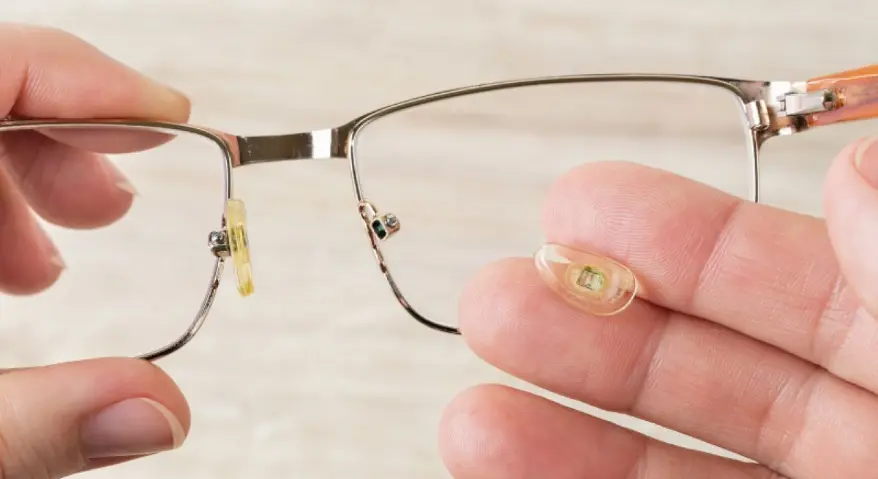
Although often overlooked in eyeglass construction, the nose bridge is a crucial component determining the wearing experience and overall appearance. A well-designed and appropriately sized nose bridge not only affects the stability and comfort of the frame on the face but also significantly enhances the aesthetics and overall style of the glasses. Therefore, understanding the structure and characteristics of different nose bridges is an indispensable step in choosing the right glasses.
In fact, the nose bridge not only distributes weight and supports the frame but also plays a decisive role in style and wearing comfort. Next, we will systematically introduce the common types of nose bridges used in eyeglasses to help you determine which one is more suitable for you.
What is the nose bridge of eyeglasses?
The nose bridge is the central bridge connecting the two sides of the lenses and is also a key component where the frame contacts the bridge of the nose. Its design not only affects the stability and support of the frame but also determines the comfort and slippage of the glasses. Different types of nose bridges and their corresponding nose pad structures can further improve the fit, ensuring the glasses remain stable and comfortable even after prolonged use.
Why is the nose bridge so important for eyeglasses?
The nose bridge plays a crucial role in the structure of eyeglasses. Its design, width, and contact position with the nose directly affect the stability and comfort of wearing them. When glasses experience imbalance, pressure, or frequent slippage, it's usually related to an improperly fitted nose bridge. Therefore, choosing a nose bridge that fits your nose and face shape is key to ensuring a comfortable wearing experience.
Common nose bridge problems include:
Nose bridge indentations: Uneven weight distribution of the frame can leave noticeable indentations or red marks on the nose.
Nose bridge pain or pressure: An unsuitable pressure point on the nose bridge can cause persistent pain in the contact area.
Headache: A nose bridge that is too narrow or applies too much pressure can cause a feeling of tightness, leading to headaches.
Glasses slipping: A nose bridge that is too wide or doesn't fit properly can cause the frame to slip frequently.
Frame shifting upwards: An improperly positioned nose bridge can cause the frame to be pushed up by the cheeks when smiling or making other facial movements.
A well-designed nose bridge is not only related to wearing comfort, but also to stability and visual effect. Therefore, this detail must be given special attention when choosing glasses.
Main Types of Nose Bridges for Eyeglasses
Nose bridge designs for eyeglasses and sunglasses vary widely, but most frames can be categorized into a few typical structures. Not only do nose bridges differ in appearance, but their shape, width, and vertical position on the face directly affect wearing comfort and stability. Below are some common nose bridge types and their applicable characteristics.
1. Saddle Bridge
The saddle bridge is the most common style in acetate and metal frames. It typically conforms to the contours of the nose with smooth straight lines or curves, distributing the weight of the frame evenly across the bridge for a more natural and stable wearing experience.
2. Keyhole Bridge
The keyhole bridge resembles a traditional keyhole, distributing pressure to both sides of the nose bridge to reduce pressure on the tip. This design is particularly suitable for those with wider noses or who desire a lighter, more snug fit, and is commonly found in plastic and acetate frames.
3. Double Bridge Nose Bridge
A double bridge design includes a lower main bridge and an upper auxiliary bridge, combining structural stability with visual depth. This structure provides stronger support to the frame while enhancing design distinctiveness. Commonly seen in aviator and retro sunglasses, it is increasingly used in modern styles.
Nose Bridge Types by Structural Features
Besides differences in shape, nose bridges can be further subdivided by width and position on the face to help wearers find the most suitable fit.
1. Wide vs. Narrow Nose Bridges
Nose bridge width typically ranges from 14–24 mm, with smaller numbers indicating narrower bridges and larger numbers indicating wider bridges. The size of the frame's nose bridge should match the wearer's nose shape to ensure stability and comfort. A simple way to measure this is by observing the distance between the eyes or using a millimeter measuring tool.
2. Low vs. Standard Nose Bridges
The vertical position of the nose bridge on the face also influences frame selection.
People who suit a low nose bridge typically have the following characteristics:
- A low nose bridge, positioned at or slightly below the pupils
- A wider face
- Higher cheekbones.
A standard nose bridge is more suitable for:
- A higher nose bridge
- A narrower face
- A more defined facial contour.
What are adjustable nose pads?
Adjustable nose pads are commonly found in metal glasses frames. Their core function is to optimize the fit of the glasses on the bridge of the nose by fine-tuning their angle and position. The nose pads are usually installed below the bridge of the nose. By changing the opening angle or height, they effectively improve the balance and comfort of the glasses, reducing pressure or slippage.
If you find it difficult to adjust the nose pads yourself, it is recommended that you have a professional optometrist assist you with fine-tuning. If the nose pads are worn, loose, or lost, they can also be replaced by a professional to ensure that the glasses always maintain a good fit and stability.
Choosing the right nose bridge not only improves wearing comfort but also significantly enhances the stability of the glasses and the visual experience. Therefore, understanding how well the nose bridge structure matches one's facial features is an important step when selecting glasses.


