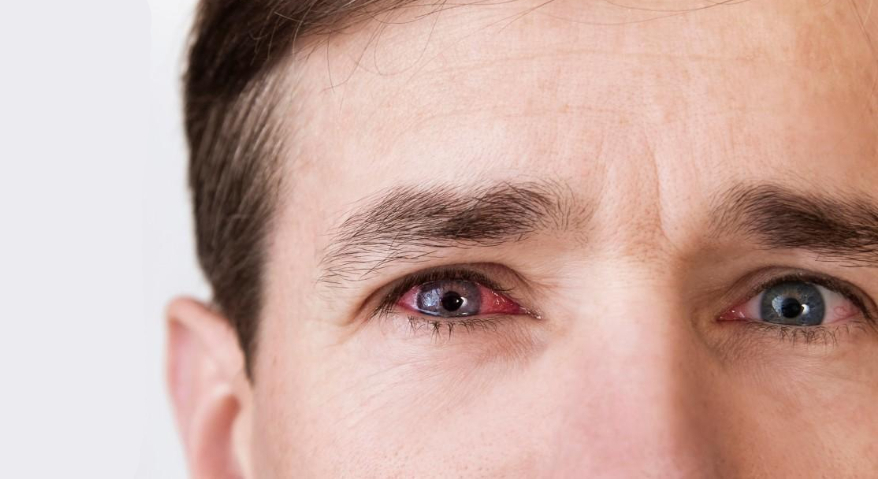
When you look in the mirror and see the whites of your eyes (the sclera) turn red or pink, it can certainly be alarming. There are many ways this redness can manifest: sometimes it's a wavy network of red blood vessels across the eyeball, sometimes it's a sudden, noticeable red patch, and sometimes the entire white of the eye simply appears a dull pink. What's more annoying is that red eyes rarely occur alone; they are usually accompanied by burning, itching, a dull ache, blurred vision, or constant tearing.
While in most cases, bloodshot or red eyes are just a temporary, minor physical reaction and nothing to worry about, the discomfort can be quite bothersome. However, we need to be vigilant because red eyes can sometimes be a sign of underlying eye conditions, and in rare cases, they can even indicate an emergency requiring immediate medical attention.
In this guide, we'll explore the common causes of red eyes. We'll also share some practical ways to relieve eye discomfort and tell you which symptoms should prompt you to immediately stop your daily routine and see an ophthalmologist.
What causes bloodshot eyes?
Simply put, red eyes are caused by the dilation and congestion of tiny blood vessels on the surface of the eyeball, which are normally invisible. Many everyday factors can trigger this reaction, such as irritants in the air, accidental eye injury, or certain eye diseases. Even drinking alcohol, pregnancy, or taking certain medications can cause "red eyes" in some people. Here are some of the most common causes of red eyes:
Allergies and Environmental Irritations
Eye allergies are one of the most common culprits behind bloodshot eyes. This includes seasonal allergies caused by pollen and outdoor weeds, as well as perennial allergies caused by pet dander, mold, perfumes, or tobacco smoke. Additionally, if you swim in a pool, chemicals such as chlorine in the water can easily irritate your eyes, causing the whites of your eyes to turn red quickly.
Blepharitis (Inflammation of the Eyelids)
Blepharitis refers to inflammation of the edge of the eyelid, usually causing the eyelid to become red, swollen, itchy, and even flaky like dandruff. The whites of the eyes can also become red. Although it is not contagious, it is usually difficult to cure completely. If you have oily skin or facial rosacea, you're more susceptible. Blepharitis needs timely care, otherwise it can easily lead to more serious eye infections such as styes or conjunctivitis (commonly known as pink eye).
Improper Contact Lens Wearing
Wearing contact lenses for extended periods (especially overnight) can cause the eyes to protest due to oxygen deprivation, resulting in bloodshot eyes. This is medically known as contact lens-associated conjunctivitis (CLARE). In addition, poor lens hygiene, broken lens edges, incorrect lens size, or allergic reactions to contact lens solutions can all cause friction and irritation to the eyeball, leading to redness.
Corneal Abrasions and Ulcers
A scratch on the cornea (the transparent protective membrane on the surface of the eyeball) caused by a fingernail, dust, or foreign object can result in a corneal abrasion. This not only causes extensive redness of the eye but also intense stinging. If a corneal abrasion is not cleaned and treated promptly, bacteria can easily invade and worsen into a corneal ulcer (an infected wound on the cornea). Severe corneal ulcers, if not treated promptly, can even damage vision or lead to blindness.
Dry Eye Syndrome
Dry eye syndrome (or dry eye disease) refers to the inability of the eyes to produce enough or high-quality tears to keep the eyeballs moist. When the eyes lose the lubrication and protection of tears, they not only feel dry and gritty, but also often trigger eye inflammation, leading to redness of the whites of the eyes.
Eye Fatigue and Digital Excessive Use
Just as muscles feel sore after strenuous exercise, the eyes also feel fatigued after prolonged periods of heavy work. Computer vision syndrome (digital eye strain), caused by frequent use of mobile phones and computers in modern life, is a common cause of bloodshot eyes. If you find your eyes turning red after staring at a screen or reading for a long time, this is your eyes signaling that they need rest.
Glaucoma (especially acute attacks)
Glaucoma is a serious eye disease that damages vision. Its core problem is the inability of fluid (aqueous humor) to drain properly from the eyeball, leading to increased intraocular pressure. While most glaucomas progress slowly and silently, a type called acute angle-closure glaucoma can suddenly flare up. It causes severe eye pain, headache, and extensive redness of the eyes. This is a medical emergency and requires immediate emergency care; otherwise, there is a risk of blindness.
Conjunctivitis (commonly known as pink eye)
Conjunctivitis is the most well-known cause of the white of the eye turning red or pink. It is usually caused by a bacterial or viral infection. Although pink eye is highly contagious and easily spreads among people, it is generally not serious and recovers quickly with timely treatment.
Stye and Chalazion
A stye is a small, red, swollen pustule (commonly known as a stye) that appears when the sebaceous glands on the eyelid become infected with bacteria. While a chalazion looks very similar to a stye and also causes redness in the surrounding tissue and the white of the eye, it is usually not an acute infection but a chronic swelling caused by gland blockage. Both will make the affected eye appear somewhat red and swollen.
Subconjunctival Hemorrhage (Ruptured Blood Vessels in the Eye)
When tiny blood vessels beneath the transparent membrane (conjunctiva) on the surface of the eyeball accidentally rupture, blood accumulates on the white of the eye, forming a bright red bloodstain. This condition may sound or look alarming, but it's often caused by rubbing your eyes vigorously, coughing violently, vomiting, or even minor eye rubbing. In most cases, this bleeding is completely harmless, requires no special treatment, and usually resolves on its own within one to two weeks.
Uveitis
Uveitis is an inflammation of the uvea, the middle layer of the eyeball. It often has a sudden onset, with main symptoms including significant redness of the eye, severe stinging, and blurred vision. Some cases of uveitis are caused by infections in other parts of the body or eye injuries, while others have unknown causes. Because it can cause permanent vision loss, it is considered a serious eye condition requiring immediate medical attention.
Treatment for Conjunctivitis (Red Eye)
To completely eliminate bloodshot eyes, the key is to treat the underlying cause. Since there are many reasons for red eyes, the safest approach is to consult a professional ophthalmologist. The doctor will prescribe prescription eye drops or recommend over-the-counter eye drops such as artificial tears to soothe eye discomfort, based on your specific situation.
Before going to the hospital, or for mild eye fatigue, the following home care methods can help quickly relieve symptoms and make your eyes more comfortable:
- Moderate cold or warm compresses: Soak a clean towel in cold or warm water, wring it out, and apply it to your closed eyes for about 10 minutes each time. Cold compresses usually relieve itching and swelling well, while warm compresses help relax eye muscles.
- Avoid allergens and irritants: If your red eyes are caused by allergies, try to avoid environmental triggers such as pollen, pet dander, perfumes, or smoke to reduce redness at its source.
- Cleanse your eyes properly: Gently wash around your eyelids with warm water, or rinse your eyes with sterile saline solution. This will remove dust and irritants from the surface of your eyeballs.
- Give your eyes a break: Temporarily put down your phone, computer, and other electronic screens to avoid prolonged close-up work. Also, refrain from rubbing your eyes to prevent further irritation or infection.
- Remove contact lenses: If you usually wear contact lenses, switch back to glasses immediately when your eyes become red to give your corneas a few days to breathe and repair themselves.
Conclusion
In general, red eyes are mostly caused by minor irritation. However, we shouldn't take it lightly, as bloodshot eyes can sometimes be a sign of serious eye conditions. If left untreated, this can affect your overall eye health and even your precious vision.
For safety's sake, if you notice red eyes (especially if only one eye becomes red for no apparent reason) that persist, contacting an ophthalmologist for an examination is the wisest choice. If you experience severe headaches, significant eye pain, photophobia, or sudden blurred vision or double vision along with red eyes, do not wait; seek immediate emergency medical attention at a hospital.


