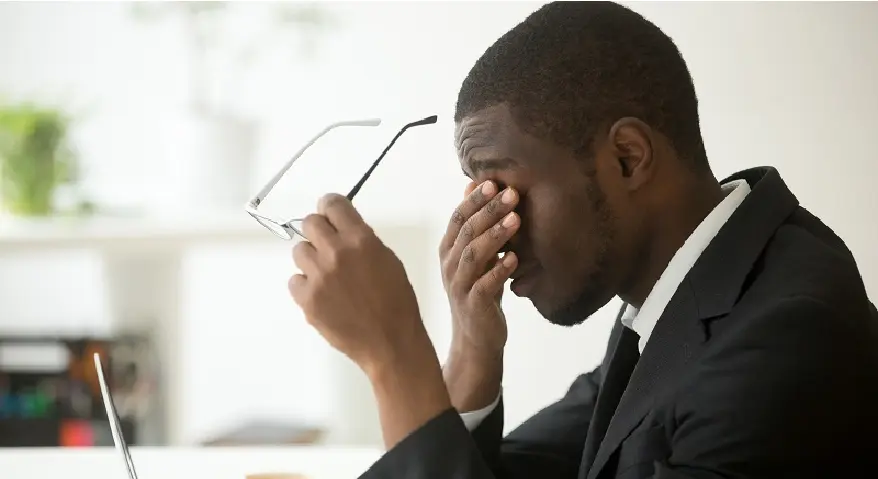
Even after sufficient sleep, it's not uncommon to experience heavy, aching, or tired eyes during the day. You might feel tightness or pulling behind your eyes, have difficulty focusing for extended periods, need extra effort to read text or look at screens, and even experience accompanying headaches. As visual strain increases, decreased concentration and sluggish thinking may also occur.
If these symptoms sound familiar, you are likely experiencing eye strain (asthenopia). This is an increasingly common functional eye problem in modern lifestyles, usually associated with prolonged screen time, improper posture, or excessive visual workload. While eye strain can significantly impact work efficiency, quality of life, and emotional well-being, it is usually reversible. Once the underlying causes are identified and targeted adjustments and care measures are implemented, most symptoms can be effectively relieved.
What is eye strain?
Eye strain refers to a group of functional discomfort symptoms that occur after prolonged or intense use of the eyes. Common symptoms include eye soreness, heaviness, blurred vision, headaches, and a strong need for rest (such as frequently wanting to close the eyes). These symptoms are usually not caused by organic eye diseases, but rather are temporary responses of the visual system under sustained stress.
Any activity that requires prolonged visual concentration—such as long-distance driving, continuous use of computers and mobile phones, or performing fine close-up tasks (such as sewing, knitting, etc.)—can induce eye strain.
In everyday language, eye strain is also often referred to as "eye fatigue." In a medical context, the related term is asthenopia, which emphasizes fatigue symptoms caused by uncorrected refractive errors, inaccurate eyeglass prescriptions, or abnormal binocular coordination.
Furthermore, with the widespread use of electronic devices, people often refer to digital eye strain (also known as computer vision syndrome). This is a type of eye strain caused by prolonged use of smartphones, tablets, or computers, and has become one of the most common eye discomforts in modern society.
What causes eye strain?
Any visual activity that requires prolonged and intense use of the eyes can lead to eye strain. Whether it's close-up work requiring fine detail focus or prolonged staring at distant objects, both increase the burden on the eye muscles and visual accommodation system, leading to discomfort.
Common contributing factors include:
- Prolonged close-up work: Activities such as embroidery, painting, crafting, or model building require continuous focus on small details, easily leading to excessive eye strain.
- Sustained focused visual activity: Reading, writing, long-distance driving, or prolonged studying and working without adequate breaks can easily cause eye fatigue.
- Underlying eye problems: Uncorrected or inadequately corrected refractive errors (myopia, hyperopia, astigmatism), dry eye syndrome, and abnormal extraocular muscle coordination can all increase the burden on the eyes.
- Poor visual environment: Excessive or insufficient light, or significant glare, forces the eyes to constantly adjust to adapt to the visual conditions.
- Dry air: Air conditioning, heating, or fans can accelerate tear film evaporation, causing dry eyes and exacerbating fatigue.
- Overall fatigue and psychological stress: Physical exhaustion or prolonged high-stress levels can reduce the eyes' tolerance, making fatigue more likely.
Furthermore, digital eye strain is particularly common in modern life. Prolonged and continuous use of computers, mobile phones, or tablets can itself lead to eye strain, and the following factors further aggravate the symptoms:
- Unconsciously reduced blinking frequency when using electronic devices, leading to dry eyes;
- Screen glare, improper brightness or contrast settings;
- Viewing distance that is too close, increasing the burden on eye accommodation and convergence.
In summary, eye strain is usually the result of a combination of factors, closely related to eye habits, visual health, and environmental conditions.
Common Symptoms of Eye Strain
If you frequently engage in prolonged or intense visual activities, you might wonder: What are the symptoms of eye strain? Can you determine if you are experiencing eye strain based on these symptoms?
It's important to note that the subjective experience of eye strain varies from person to person. Some people may feel heaviness, tightness, or fatigue in their eyes even with sufficient sleep, while others may experience symptoms such as headaches, blurred vision, double vision, or dry eyes, often with multiple discomforts occurring simultaneously.
Common symptoms of eye strain in clinical practice and daily life include:
- A feeling of tightness or pulling in the eye sockets or behind the eyes, as if the eyes need constant effort to maintain clear focus;
- Significant eye fatigue or heaviness, difficulty keeping the eyes open, and a frequent need to close the eyes for rest;
- Eye irritation, such as burning, itching, dryness, or reflexive tearing;
- Temporary decrease in vision, manifested as blurred vision or double vision;
- Headaches, especially a band-like pressure sensation in the forehead or around the eye sockets;
- Increased sensitivity to light, with discomfort worsening in bright environments;
- Accompanied by muscle soreness and stiffness in the neck, shoulders, or back, often related to poor posture while using the eyes;
- Difficulty concentrating for extended periods, leading to a significant decrease in work or study efficiency.
These symptoms usually worsen after excessive eye use and can be relieved with adequate rest, which is one of the important characteristics for identifying eye strain.
5 Scientific Methods to Relieve and Prevent Eye Strain
In most cases, promptly relieving current eye strain is key to preventing its recurrence. This requires adjusting your viewing habits and gradually establishing healthier, sustainable practices. The following five methods are evidence-based, easy to implement, and suitable for long-term use.
1. Ensure accurate and timely vision correction
Uncorrected refractive errors or outdated eyeglass prescriptions can force the eyes to constantly over-accommodate, thus inducing or exacerbating eye strain. Regular eye exams (usually annually) are recommended to ensure that your eyeglasses or contact lenses have the correct prescription and are in good condition. Eye care professionals can also recommend functional lens designs or specialized coatings, such as anti-reflective coatings, to help reduce eye strain based on your individual viewing needs.
2. Choose the right type of lenses to relieve eye strain
Anti-fatigue lenses provide mild refractive support in the lower part of the lens, helping the eyes relax during close-up activities such as reading, writing, or using a computer, reducing accommodative stress. They are especially suitable for people who frequently switch between different viewing distances.
For those with difficulty seeing at close range, reading glasses can significantly improve clarity and are often used to address presbyopia (age-related farsightedness); while progressive lenses integrate distance, intermediate, and near vision prescriptions into a single lens, providing a natural transition and avoiding the need to repeatedly change glasses. This is an efficient solution for people experiencing eye strain due to refractive problems.
3. Pay attention to the comfort and proper use of contact lenses
If you experience eye strain while wearing contact lenses, accompanied by dryness, itching, or a foreign body sensation, consider switching to a type of lens with better moisturizing properties. For some people, switching from monthly disposable to daily disposable contact lenses can help reduce irritation caused by deposits and improve all-day wearing comfort. If discomfort persists, consult an ophthalmologist or eye care professional.
4. Use electronic screens scientifically to reduce visual load
Reducing continuous screen time helps alleviate eye strain. If you must use electronic devices for extended periods, ensure the screen is approximately 60 centimeters away from your eyes and slightly below eye level. At the same time, reasonably adjust brightness and contrast, reduce reflections and glare, clean the screen regularly, and enlarge the font size as needed to reduce visual strain.
In addition, consciously remind yourself to blink. Studies show that blinking frequency decreases significantly when staring at a screen, increasing the risk of dry eyes and fatigue. Appropriate reminders can effectively improve this problem.
5. Give your eyes sufficient rest and optimize environmental factors
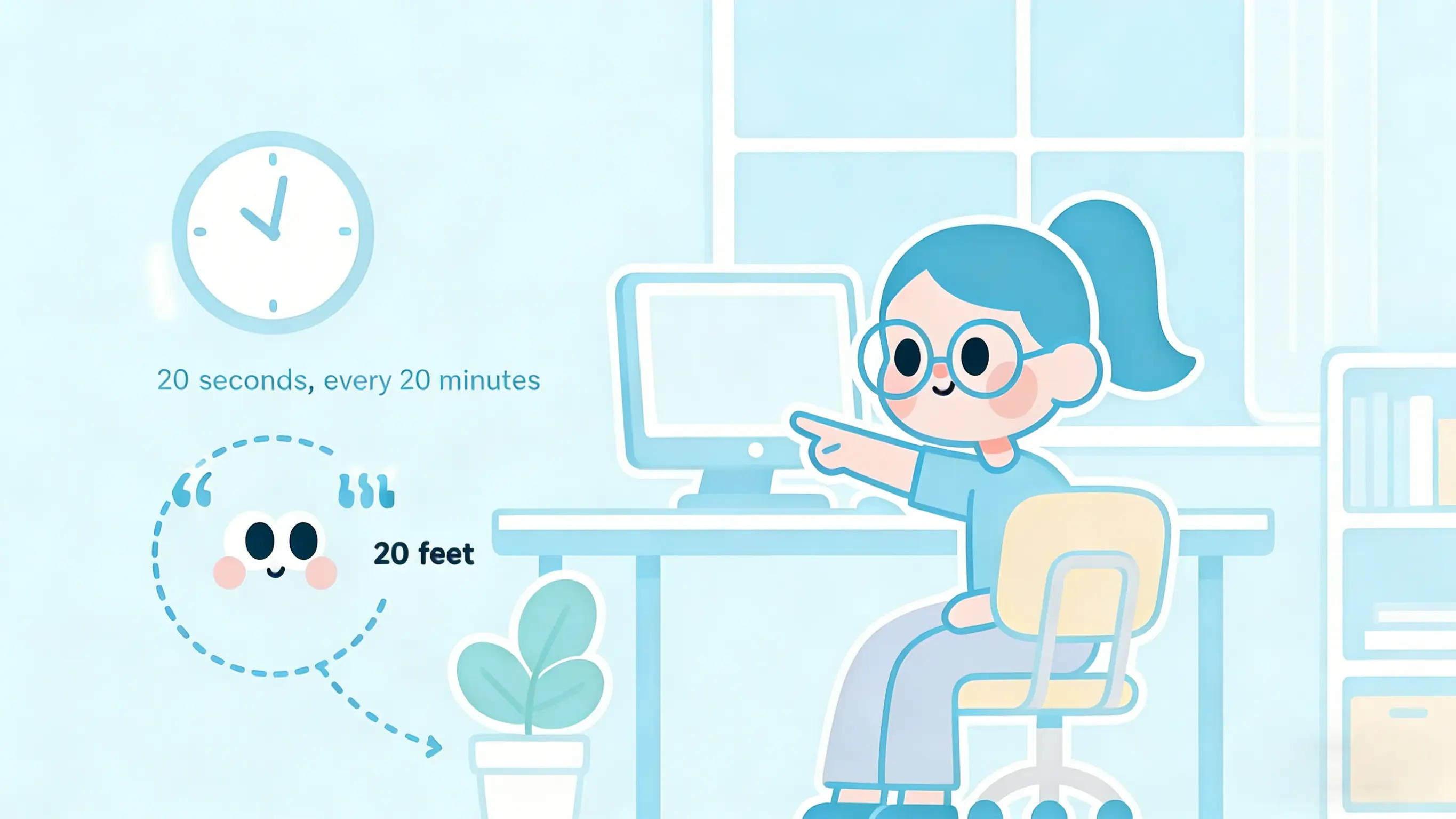
When focusing on tasks for extended periods, consciously take short breaks from looking at your work. The 20-20-20 rule is a simple and effective method: every 20 minutes, look at an object about 6 meters (20 feet) away for at least 20 seconds to relax your eye's focusing system.
Also, pay attention to lighting and air quality. Avoid using your eyes in environments that are too bright, too dark, or have significant glare; when reading, use a desk lamp with a lampshade to focus the light on the reading area rather than directly into your eyes.
Furthermore, fans, air conditioners, or heating vents can accelerate tear film evaporation, so try to avoid direct airflow. If necessary, use a humidifier to improve air humidity, or use an air purifier to reduce dust and other irritants.
Eye Strain FAQ
When trying to alleviate eye strain, many people wonder: Will this discomfort have long-term effects on my eyes? Can it resolve on its own? The following addresses these common questions from a professional perspective.
Can eye strain cause permanent damage?
Generally, eye strain does not cause permanent damage to the eye structure or vision. It is a functional discomfort, mostly related to overuse of the eyes or excessive visual load, primarily affecting comfort and work efficiency. However, eye strain should not be ignored.
In some cases, frequent or persistent eye strain may indicate underlying problems, such as uncorrected refractive errors, dry eye syndrome, or binocular vision abnormalities. Therefore, if symptoms recur or worsen significantly, it is recommended to have an examination by an optometrist or ophthalmologist to rule out other eye problems.
Will eye strain go away on its own?
If the eye-straining activities continue, the symptoms usually will not resolve on their own. The eyes can only recover when high-intensity eye use is reduced or stopped, the visual environment is improved, and bad habits are adjusted. If necessary, consulting an optometrist or ophthalmologist can provide more targeted advice.
It's worth noting that eye strain itself doesn't require "treatment"; the core solution is sufficient rest and reasonable eye use.
How long does eye strain usually last?
The duration of eye strain varies from person to person and depends on the cause and severity. After sufficient rest, most people will gradually feel the eye discomfort lessen. However, the rate of relief for different symptoms may vary—for example, eye tension or soreness may improve more quickly, while headaches or decreased concentration may take longer to completely subside.
How long does it take to feel significant relief?
Once the activity causing eye strain is stopped, many people feel a certain degree of relaxation and relief within a short time. However, it may take several minutes to several hours for the eyes to fully return to a relaxed state, and other accompanying symptoms will gradually subside during this process.
If symptoms persist after sufficient rest, or recur frequently, a professional evaluation should be sought promptly.
Consistently following the above practices will not only help alleviate current eye discomfort but also fundamentally reduce the frequency of eye strain and protect overall visual health. If your eye strain symptoms are severe or persist, please be sure to contact your optometrist. Your eyes deserve a comfortable and relaxing experience!


