Dry eye disease is a highly prevalent ocular surface disease affecting a large number of people worldwide. Its main characteristics include decreased tear film stability or insufficient tear production, leading to irritation and discomfort of the ocular surface. Patients may experience dryness, foreign body sensation, and burning, possibly accompanied by reflex tearing or itching. If left untreated, dry eye disease can damage the cornea and conjunctiva and even increase the risk of other ocular complications. This article will systematically introduce the main causes, common clinical symptoms, and currently used treatment and management methods for dry eye disease, helping you to understand and effectively manage this common eye condition.
What is Dry Eye Disease?
Dry eye disease (also known as dry eye syndrome) is a common ocular surface disease characterized by insufficient tear production, abnormal tear composition, or impaired tear film stability, resulting in the eye surface not receiving continuous and effective lubrication. Normally, tears form a stable tear film on the surface of the cornea and conjunctiva, playing a vital role in lubricating the eye surface, maintaining clear vision, and protecting against dust and other external irritants. When this protective mechanism is compromised, the eye surface is more susceptible to irritation and damage. If dry eye disease is not treated promptly and properly, it may increase the risk of complications such as eye inflammation, infection, and corneal damage.
Main Types of Dry Eye Disease
Dry eye disease can be short-term or develop into a chronic, recurring condition. Clinically, chronic dry eye disease is mainly divided into the following two types, which often influence the choice of treatment:
Aqueous Tear Deficiency Dry Eye Disease
This type is primarily caused by decreased lacrimal gland function, resulting in insufficient tear production and a chronically dry eye surface that cannot maintain a normal moist environment.
Evaporative Dry Eye Disease
This type is often associated with meibomian gland dysfunction. Insufficient or abnormal lipid secretion from the meibomian glands accelerates tear evaporation, making it difficult for the eye surface to remain stably moist, even with normal tear production.
Common Symptoms of Dry Eye Disease
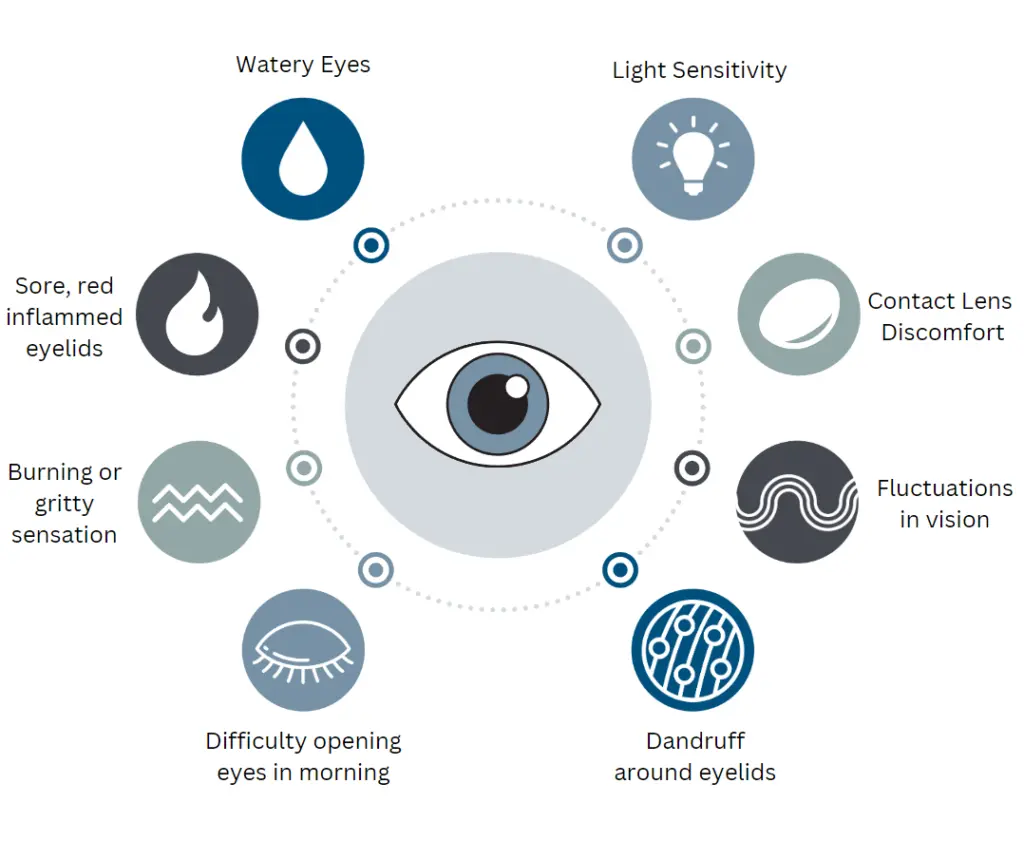
The manifestations of dry eye disease vary from person to person, but are usually characterized by eye discomfort. Patients may experience a foreign body sensation, burning sensation, or eye pain, sometimes with symptoms worsening after using their eyes. Common symptoms include:
- Fluctuating or transient blurred vision
- Burning, stinging, or dryness in the eyes
- Difficulty opening the eyes or eye fatigue
- Discomfort when wearing contact lenses
- Sensitivity to light
- Increased mucus discharge around or in the eyes
- Redness and itching of the eyes
- Reflex tearing
What factors cause dry eyes?
The underlying cause of dry eye syndrome is a reduction in tear production, abnormal tear quality, or impaired tear film function. The factors affecting tear film stability are complex, including both external environmental stimuli and factors closely related to an individual's physiological state and health. Common contributing factors mainly include the following categories:
- Medication factors: Some medications may inhibit tear secretion or alter tear composition, such as certain antihistamines, antidepressants, and other medications that affect nerve or hormone levels.
- Environmental factors: Prolonged exposure to dry air, strong winds, smoke, or air pollution can accelerate tear evaporation and disrupt tear film stability.
- Eye problems: Eye allergies and blepharitis can cause chronic inflammation, affecting tear secretion or lipid layer function.
- Eye usage habits: During prolonged periods of focused eye use (such as using electronic screens), blinking frequency decreases, reducing tear replenishment and easily leading to dry eye symptoms.
- Other factors: Irritation or intolerance to certain eye drop ingredients, vitamin A deficiency, etc., can also induce or worsen dry eye symptoms.
In addition to the direct causes mentioned above, individual differences also affect the risk of developing dry eye syndrome. As people age, lacrimal gland function gradually declines, and natural tear production decreases, making middle-aged and older adults more susceptible to dry eye-related discomfort.
Which groups are more likely to develop dry eye syndrome?
Although dry eye syndrome can occur at any age, the following groups have a relatively higher risk:
- Adults aged 50 and older
- Those who wear contact lenses for extended periods
- Individuals with autoimmune or chronic systemic diseases, such as Sjögren's syndrome and lupus
- People who have undergone refractive surgery (such as laser vision correction)
- Smokers or those exposed to secondhand smoke for extended periods
- Women (related to hormonal changes)
Treatment Options for Dry Eye Syndrome
Treatment for dry eye syndrome requires individualized management based on the cause, severity, and specific type of the condition. Generally, the treatment goals are to improve tear film stability, relieve ocular surface discomfort, and prevent complications. Artificial tears are the most commonly used and fundamental treatment method, working by supplementing moisture and lubricating the ocular surface to reduce dryness and irritation. Artificial tears are available both over-the-counter and by prescription. Due to differences in ingredients and viscosity, patients may need to try and adjust different products under professional guidance to find the most suitable one.
When ordinary over-the-counter eye drops fail to effectively relieve symptoms, it is recommended to consult an optometrist or ophthalmologist. Professionals can develop more targeted treatment plans based on examination results, such as using prescription eye drops or ointments, performing punctal occlusion to reduce tear loss, supplementing specific nutrients (if medically indicated), and providing guidance on improving eye habits and lifestyle. In a few severe or refractory cases of dry eye, doctors may consider further medical intervention or surgical treatment, but these situations are relatively rare and are usually only considered when other treatments have failed.
Adequate lubrication of the ocular surface is crucial for maintaining normal eye function and long-term eye health. If the tear film is unstable or insufficient for an extended period, dry eye syndrome can not only cause persistent discomfort but also damage the cornea and ocular surface structures, increasing the risk of complications. Although dry eye syndrome cannot yet be completely cured, with scientific assessment and proper management, the symptoms of most patients can be effectively relieved and controlled in the long term. If you suspect you have dry eye problems, it is recommended that you consult an optometrist or ophthalmologist as soon as possible. A professional can perform an examination and develop a personalized treatment plan, including selecting appropriate eye drops and daily care measures, to better protect your eye health.


